At its core, the financial might of Disney World is derived from its unparalleled ability to generate recurring revenue through a multi-pronged strategy that touches nearly every aspect of a guest's experience. Unlike a traditional amusement park that might rely solely on admission tickets and merchandise, the Disney ecosystem is designed to extract value from guests with a predictability that would make any corporate finance team envious. This begins with the gateway itself: the cost of a single park ticket is a substantial investment, and this is merely the entry fee to the fantasy. Once inside, the monetization model becomes almost frictionless. Guests are encouraged to link their park tickets to biometric MagicBands or cards, which function as digital wallets. This system streamlines entry, eliminates the need for physical cash, and subtly encourages spending by making the act of purchasing a churro, a Dole Whip, or a limited-edition t-shirt feel like a seamless extension of the experience rather than a transactional interruption. Furthermore, the sheer volume of on-site consumption is staggering, with thousands of meals served across a spectrum of price points, from budget-friendly counter-service spots to opulent, reservation-only dining establishments where a single meal for a family can easily exceed the cost of a theme park ticket in many other countries.
The primary engine of Firouzja’s financial standing is his success in professional chess tournaments. As a top-tier Grandmaster, he competes in a circuit of elite events, including prestigious classical tournaments, rapid and blitz championships, and the highly competitive Chess World Cup. Prize money in these high-stakes competitions can be substantial, with winners of major events earning six-figure sums. Furthermore, his consistent presence at the top of the world rankings, achieved before the age of 20, guarantees significant appearance fees and performance-based bonuses. The structure of prize pools in elite chess has expanded considerably in recent years, partly due to the influx of new commercial investment into the game, and Firouzja has been positioned to benefit directly from this trend. His ability to challenge for, and often win, the top trophies in these tournaments forms the bedrock of his monetary wealth.
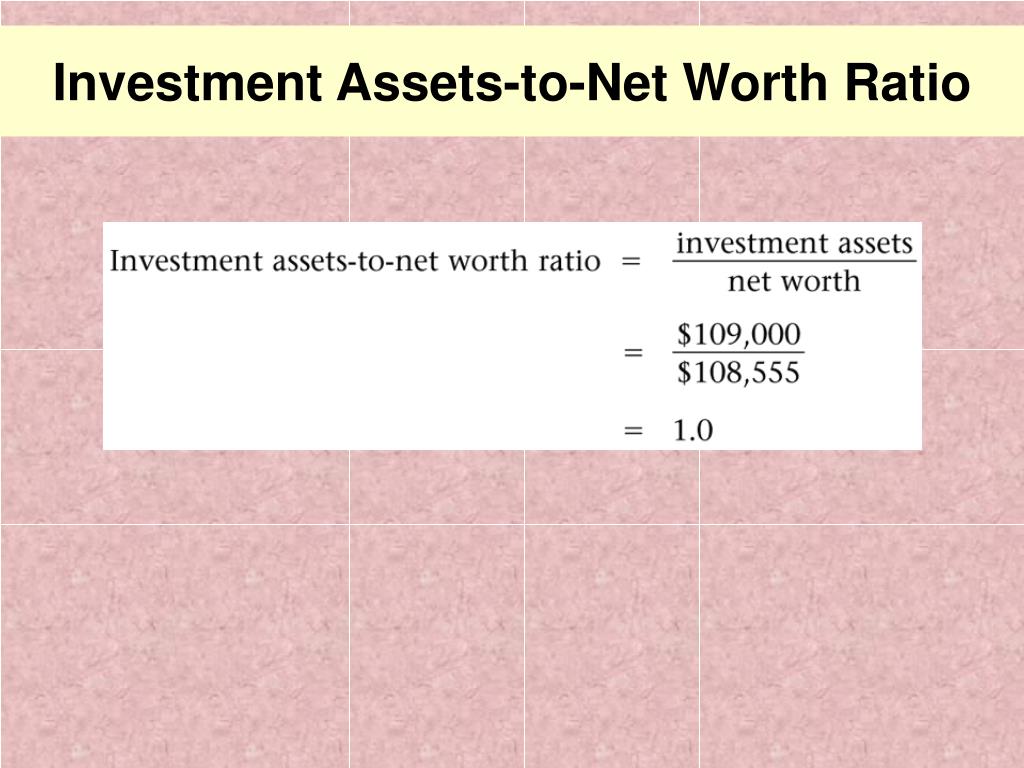
Quick checklist for What should your investment-assets-to-net-worth ratio with simple examples without missing the basics
Born James Lablache Stewart in 1913, Granger's path to wealth was not one of immediate inheritance or prior privilege. He carved his niche through a potent combination of striking good looks, intense physicality, and a willingness to embrace complex, often morally ambiguous roles. His breakout performance in the 1950 film *King Solomon's Mines*, where he portrayed the rugged adventurer Allan Quatermain, catapulted him to international superstardom. This role, and others like *Footsteps in the Fog* and *The Man Between*, established him as a leading man capable of both heroic bravado and brooding psychological depth. Consequently, his fee per picture rose exponentially, placing him among the top earners in the industry. During his peak years in the 1950s, it is estimated that Granger commanded salaries equivalent to several million dollars in today's currency for his work, a direct contribution to his cumulative Stewart Granger net worth.
Ultimately, the figure representing Chris Parnell net worth is merely a surface-level detail. The true story is one of evolution and endurance. He has successfully navigated the changing tides of comedy, from the live chaos of "SNL" to the curated absurdity of animated television. He has built a brand based on reliability and a unique vocal instrument, ensuring that he remains a go-to talent for creators looking for a specific flavor of humor. His net worth is not the result of a single massive hit but rather the cumulative effect of hundreds of performances, smart choices, and a career managed with a level of professionalism that is as impressive as his comedic talent. In an industry full of flash and fade, Chris Parnell has proven that substance, consistency, and a great voice can build a legacy that is as financially solid as it is artistically respected.
Key takeaways on What should your investment-assets-to-net-worth ratio for faster results that fit everyday needs
Estimating a player's net worth involves more than just their base salary. It includes bonuses, endorsements, and investment earnings. In 2020, Chubb’s earnings were solidifying his status as one of the premier backs in the league. His performance on the field was undeniable; he was a workhorse who consistently broke tackles and gained crucial yards after contact. This on-field production is the primary driver of a player's value. Following the 2019 season, what should your investment-assets-to-net-worth ratio where he rushed for over 1,300 yards, the Cleveland Browns were forced to recognize that losing him on a long-term deal was a financial inevitability. While the actual contract extension talks would heat up in the subsequent years, the foundation of his worth was being cemented in 2020. Analysts and financial experts looking at his trajectory would have placed his net worth in the high seven figures, a reflection of his elite status.
The sources of such immense wealth are varied, reflecting the technological and economic shifts of the 21st century. Historically, oil and manufacturing created dynasties that spanned generations, but the current landscape is dominated by the digital age. Tech giants, e-commerce pioneers, and masters of logistics have found unprecedented ways to monetize data, connectivity, and what should your investment-assets-to-net-worth ratio consumer desire. Their business models often operate on a scale of millions of transactions per minute, generating profits in the billions daily. This hyper-efficiency and global reach are the primary engines driving net worths into the hundreds of billions. They are the architects of the platform economy, shaping how we communicate, shop, and consume entertainment.
