The intersection of politics and commerce created a unique and unprecedented dynamic regarding his financial standing. Upon assuming the presidency, Trump did not divest from his business empire; instead, he placed his assets into a blind trust, a move that was intended to quash conflicts of interest. Nevertheless, the mere existence of his global portfolio presented constant ethical questions. Every hotel stay at properties like the Trump International Hotel in Washington D.C. was seen not just as a business transaction, but as a potential inflow of foreign capital into the White House. This "Trump effect" was said to have boosted the value of his brand significantly during his tenure, with foreign governments and entities allegedly spending millions at his properties. However, this political windfall came with a trade-off; the constant scrutiny and potential for legal jeopardy arguably depressed the true market value of these assets, as they became inextricably linked to the volatile world of partisan politics.
This personal debt, however, was just one side of the ledger. The other side was an asset of almost incomprehensible value: his music catalog. At the heart of any discussion about Michael Jackson's net worth is the ownership of his master recordings. For decades, he had been the sole owner of this crown jewel. Then, in 1985, in one of the most criticized business decisions of his career, he sold ATV Music Publishing—the company that owned the rights to over 250 Beatles songs as well as much of his own catalog—to Sony Music for a reported $47.5 million. He retained a 50% stake in the joint venture that became Sony/ATV Music Publishing, but this was a deal that would haunt him. As the value of his catalog and the Beatles' catalog skyrocketed, he grew increasingly unhappy with the arrangement. In the early 1990s, he began the arduous and expensive process of buying back his share of the catalog. This culminated in a massive $60 million deal in 1996, funded by yet another loan, which gave him back full ownership of his music. This catalog, comprising hundreds of songs, was the single most valuable financial asset he possessed. Industry estimates at the time of his death placed the value of Sony/ATV, which he still partially owned, at upwards of $3 billion to $4 billion, with his half being worth approximately $1.5 to $2 billion.
Sebastian Janikowski, a name that resonates with power, precision, and a touch of theatrical flair, has carved out a unique legacy in the world of professional football. Born in the tumultuous landscape of war-torn Yugoslavia, his journey to the pinnacle of American sports is a narrative defined by resilience, extraordinary talent, and an unwavering will to succeed. To discuss Sebastian Janikowski net worth is to delve into the financial rewards of a two-decade career in the National Football League, a tenure that saw him become one of the most consistent and revered kickers the game has ever witnessed.
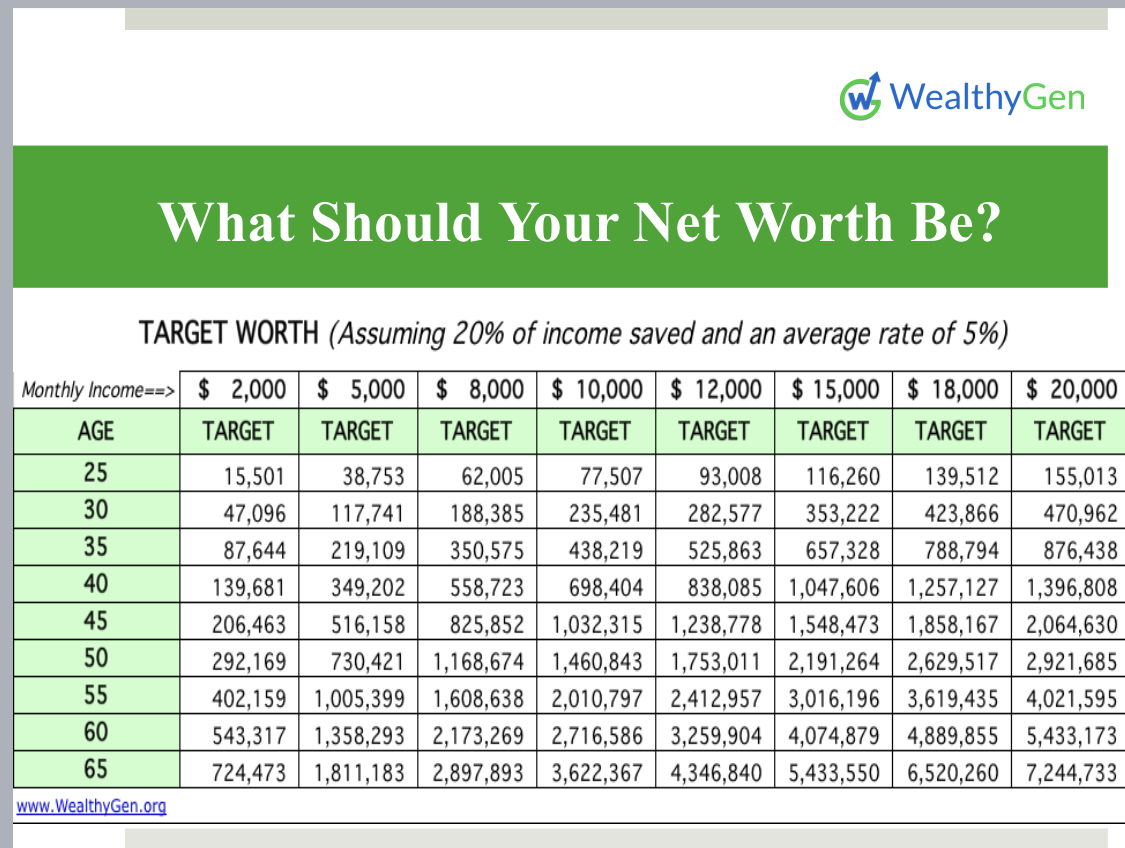
Key takeaways on What should my net worth be when I'm 50 you can use today for smoother progress
Billy Dee Williams remains a figure of immense fascination, a career that has spanned over six decades and touched nearly every corner of entertainment. From his early days as a promising stage actor to becoming an international superstar, Williams has built a legacy that is as what should my net worth be when I'm 50 complex as it is celebrated. Discussions surrounding Billy Dee Williams net worth are not merely about tabloid figures; they are an exploration of a life dedicated to craft, resilience, and strategic evolution. To understand his financial standing is to understand the trajectory of a true Hollywood veteran.
Brand collaborations have been instrumental in elevating her status and contributing significantly to her net worth. Nikkie is not just an ambassador; she is a collaborator. Her work with major cosmetics houses like Anastasia Beverly Hills, where she has her own highly successful eyeshadow palettes, represents the pinnacle of influencer partnerships. These products are not mere endorsements; they are extensions of her creative vision, meticulously developed and received with immense enthusiasm by her dedicated fanbase, affectionately known as the "Nikkerd." Furthermore, her foray into the world of music, most notably with her groundbreaking collaboration with Sia on the song "Let's Love," showcased her incredible versatility and introduced her to a whole new audience, generating substantial royalties and cementing her status as a true entertainer.
Perhaps the most significant factor in the accumulation of the Papa Roach net worth has been the band's ability to leverage their catalog in the digital age. The advent of streaming platforms changed the game for the music industry, dismantling the traditional album sales model that had sustained artists for decades. For bands reliant on physical sales, this posed a threat, but for Papa Roach, it represented an opportunity. Their deep catalog, spanning over two decades, became a perpetual revenue stream. Every play of "Scars" or "She Loves Me Not" contributes to the financial reservoir that constitutes their net worth. Furthermore, the band embraced the new paradigm of direct-to-fan engagement. Through platforms like Patreon and robust social media presence, they have cultivated a dedicated community that provides financial support and ensures that the music remains a two-way conversation. This direct connection allows them to fund projects, tour effectively, and maintain a level of creative control that is often sacrificed in the major label system.
