Following eBay, Whitman transitioned into the complex world of hardware and enterprise computing as the CEO of Hewlett-Packard (HP) from 2011 to 2015. This move was seen by many as a significant challenge, as HP was grappling with the decline of the PC market and the rise of cloud computing. While her tenure at HP was fraught with difficulties, including the high-profile acquisition of Autonomy that resulted in significant write-downs, it did not diminish her overall market value. In fact, her role at HP kept her firmly in the public eye, reinforcing her reputation as a top-tier executive who tackles the toughest challenges. Throughout her career at the pinnacle of these Fortune 500 companies, her compensation was consistently in the tens of millions of dollars, comprising a base salary, substantial bonuses, and significant stock awards. It is the exponential growth in the value of her stock holdings, particularly during her successful eBay era, that forms the bedrock of her estimated net worth.
In addition to their YouTube success, Dan and Phil have diversified their income through various ventures. They have authored books, participated in live tours, and engaged in brand partnerships. Their book tours, in particular, have been highly successful, allowing them to connect with their fans on a more personal level while generating significant revenue. These live events not only provided an additional source of income but also reinforced their status as influential figures in the entertainment industry.
Real-world lessons for What's my net worth for quick action that are easy to remember
In the sprawling digital landscape, where personalities are both born and meticulously curated, few names manage to capture the collective imagination with the quiet, calculated precision of Joshua Fluke. To the uninitiated, the name might be a whisper, a shadow passing across the face of the internet. Yet, to those who observe the confluence of technology, finance, and the ever-blurring line between personal branding and enterprise, Joshua Fluke represents a fascinating case study in modern influence. His net worth, a subject of both speculation and analysis, is reported to be in a range that places him firmly in the upper echelons of digital success, with figures suggesting a valuation that, while difficult to pin down with absolute certainty, is widely acknowledged to be substantial, reportedly exceeding thresholds that place him in a category often reserved for the most successful entrepreneurs and content creators. Understanding Joshua Fluke requires peeling back the layers of the persona to reveal the strategic mind, the relentless work ethic, and the adaptive vision that have allowed him to not only survive but thrive in an arena that is perpetually shifting.
Following the 2004 cycle, Triippi transitioned from a campaign operative to a highly sought-after consultant and strategist. He founded his own firm, and his client list read like a who's who of Democratic politics and progressive causes. Working for clients such as Speaker Nancy Pelosi and various advocacy groups, he continued to apply his digital expertise to influence elections and policy battles. This phase of his career is where the tangible accumulation of wealth likely occurred. Consulting fees for operatives of his caliber, especially those with a proven track record of winning, are substantial. He commands premium rates for his strategic insight and his ability to mobilize voters. Furthermore, the publication of his book, *The Revolution Will Not Be Televised*, provided a significant financial windfall. The book offered an insider’s account of the Dean campaign and became a definitive text for those studying modern political organizing. Royalties from a successful book, particularly one with lasting relevance in the political canon, contribute significantly to an author's net worth over time. These ventures—consulting, speaking engagements, and authorship—represent the primary engine of his financial growth.
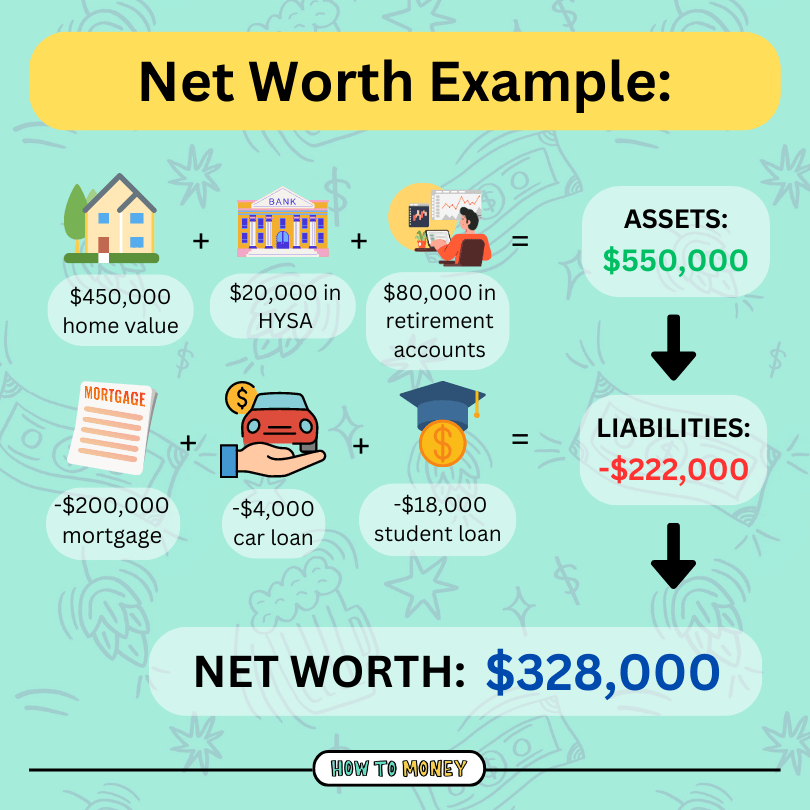
Ultimately, the management of this connection determines your financial trajectory. Viewing net worth as a scorecard for your financial decisions encourages a shift in perspective from income to net worth. Someone who earns a high salary but spends lavishly may have a low or even negative net worth due to high liabilities, while someone with a modest income who lives frugally and invests wisely can build a substantial net worth over time. By consistently monitoring how new purchases affect the asset-liability equation—asking whether an item is truly an asset or a depreciating liability—you can make better decisions. The goal is to structure your finances so that your assets are working hard to generate wealth, while your liabilities are minimal and actively shrinking. This disciplined approach transforms the abstract concept of net worth into a tangible reality, providing not just a number on a page, but a clear picture of genuine financial security and freedom.
Smart notes on What's my net worth for quick action for smoother progress
At the heart of the family's origin story lies the transformative acquisition of a 2,500-acre lima bean farm in Orange County, California, in 1919. This was not merely a purchase of agricultural land but the foundational investment in a future vision. Under the stewardship of patriarch Henry T. Segerstrom, this modest agricultural holding was systematically developed and rebranded. The family demonstrated a keen understanding of market dynamics, shifting from lima beans to more lucrative row crops like sugar beets and tomatoes, thereby maximizing the utility and value of the land. This period of agricultural consolidation and efficiency what's my net worth was the engine that generated the initial capital, the essential seed capital that would allow the family to look beyond the soil. They were not just farmers; they were astute land managers who recognized that the true value lay not just in the crops grown, but in the asset of the land itself and its potential for future development. The decision to begin divesting agricultural parcels for residential and commercial development in the post-World War II era marked a pivotal strategic shift, transforming the family from primary producers to premier developers of the very community they helped build.
