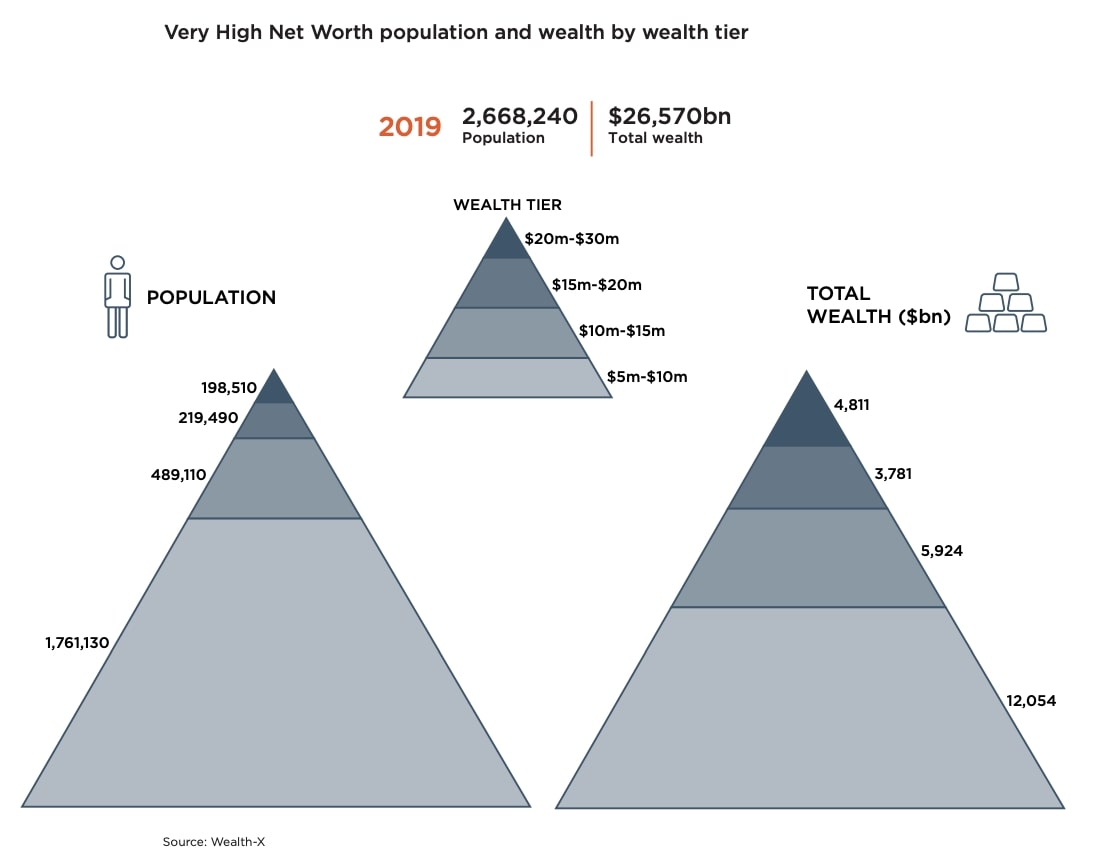
In the hidden corridors of global commerce, where transactions flow through clandestine channels and vast sums of capital move with the secrecy of a whispered rumor, there exists a figure known only as The Kingpin. This individual is not merely a participant in the shadows; he is the architect, the orchestrator, the undisputed head of a sprawling empire built on the systematic exploitation of illicit markets. To understand the what proportion of the population has a net worth of $ 3 million financial magnitude of such a figure is to peer into the abyss of organized crime, a domain where legality is a distant memory and wealth is measured in staggering, almost incomprehensible numbers. The net worth of the Kingpin is not merely a personal fortune; it is the quantified value of a vast criminal syndicate, a testament to the grotesque inefficiency of law enforcement and the limitless appetite of human greed.
The comparison of Griffin Oneal to other notable figures in the crypto space is often inevitable. When analyzing his estimated net worth against others in the industry, his position appears particularly strong. While he may not yet reach the stratospheric valuations of the earliest Bitcoin adopters or the founders of the major layer-one blockchain protocols, his wealth is substantial and appears to be based on a more sustainable business model. Unlike narratives centered around speculative tokens that may experience extreme volatility, Griffin Oneal’s wealth is tied to a revenue-generating enterprise providing real-world financial services. This distinction is crucial, as it suggests a level of business maturity and operational capability that extends beyond mere market speculation.
Moreover, Zendaya has shown a keen business acumen by investing in and launching her own ventures. She has been involved in production companies and has expressed interest in creating content that challenges stereotypes and provides diverse narratives. Her production company, which she is developing with her longtime boyfriend and now-husband, Tom Holland, is a testament to her ambition and vision. By taking control of her career and investing in her own projects, Zendaya is not only securing her financial future but also paving the way for more inclusive and innovative storytelling.
Key takeaways on What proportion of the population has a net worth of $ 3 million that stay practical for confident choices
Estimating the exact net worth of a private individual can be challenging, as figures are often estimates based on available data. However, when you combine the millions from book sales, the revenue from adaptations, and the income from public appearances, a clear picture emerges. Stuart Woods is not just a successful author; he is a wealthy one. His journey from Alabama to the top of the thriller world is a story of talent, what proportion of the population has a net worth of $ 3 million perseverance, and business savvy. His net worth is a reflection of decades of hard work, proving that in the world of fiction, the most thrilling story can often be the one behind the author. For Stuart Woods, the numbers on his balance sheet are as impressive as the plots he weaves on the page; his estimated net worth comfortably sits well into the millions, a true king of the literary castle he built.
Big Nick’s financial empire is not built on a single pillar but on a robust and diversified foundation. The primary engine of his wealth, naturally, is his music career. However, to view him solely as a recording artist would be a profound oversimplification of his business model. He has meticulously crafted his public persona to be synonymous with quality and authenticity. This has allowed him to command significant fees for live performances, touring, and festivals. Unlike many artists who rely on the volatility of record sales alone, Big Nick has focused on creating multiple revenue streams that ensure a steady and substantial cash flow. Touring, for instance, is not just about selling tickets; it is about building a community, engaging with fans directly, and selling merchandise, which often represents a substantial portion of the revenue generated from any given show. The sheer scale of his touring operations, with sold-out arenas and high-production-value stage designs, is a clear indicator of his marketability and the value placed on his brand by promoters and sponsors alike.
Looking forward, Tim Pool's trajectory suggests a continued consolidation of his media power. At 38 years old, he is in the prime of his career. He is no longer just a YouTuber; he is a media proprietor and a political actor. His foray into more traditional media formats, such as long-form interviews and documentary-style productions, indicates a desire to be taken seriously as a journalist, even as he leverages the most chaotic corners of the internet for his material. His net worth is likely to remain robust, provided he can continue to navigate the treacherous waters of public opinion and platform regulation. The future of independent media, it seems, is being written by figures like Tim Pool—entrepreneurial, polarizing, and profoundly profitable. He represents the ultimate convergence of digital identity, political tribalism, and capitalist instinct, a man who has built a fortune by giving a voice to the voiceless, and in doing so, has ensured his own considerable place in the media firmament.
